


Maximizing Plant Growth with LED Horticulture Lighting Solutions
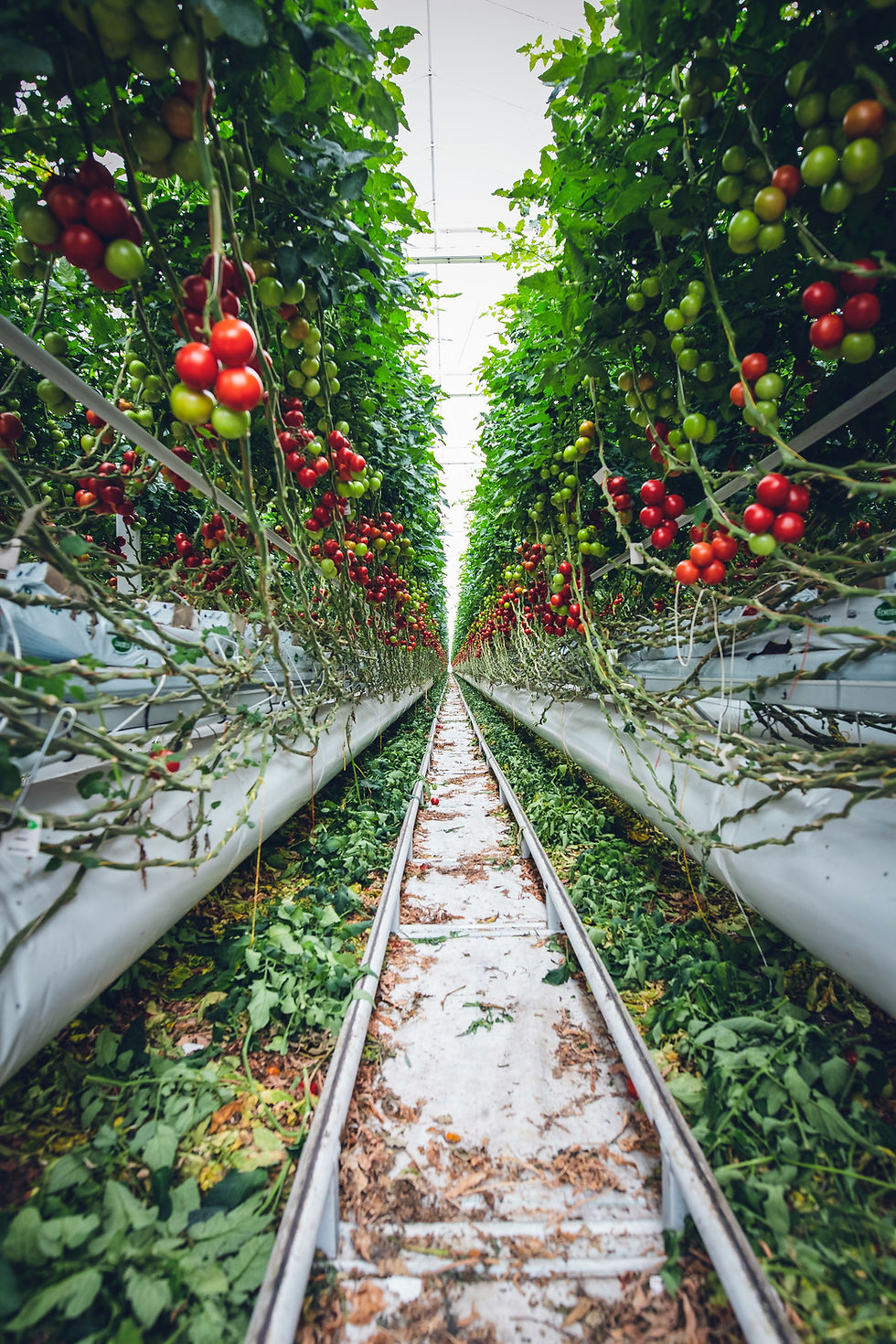
Artificial lighting plays a crucial role in modern horticulture, especially when natural sunlight falls short. Using specific light spectrums to stimulate plant growth allows growers to produce crops year-round, speed up development, and improve plant quality. LED horticulture lighting has become a popular choice because it offers precise control over light wavelengths while being energy-efficient and long-lasting.
How Horticulture Lighting Supports Plant Growth
Plants rely on light for photosynthesis, the process that converts light energy into chemical energy. However, natural sunlight varies by season, weather, and location, which can limit growth. Horticulture lighting supplements or replaces sunlight in greenhouses and indoor farms by providing the right light spectrum at the right time.
This lighting extends daylight hours and targets specific growth stages such as:
Flowering and stretching
Root development and compact branching
Overall plant health and yield
By controlling light intensity and duration, growers can influence plant behavior and optimize growth cycles.
Why LED Fixtures Are Ideal for Horticulture
LED technology has transformed horticulture lighting due to its efficiency and versatility. Unlike traditional lighting, LEDs consume less electricity and have a longer lifespan, reducing operational costs. More importantly, LED fixtures can be designed to emit specific wavelengths that plants need most.
The two primary wavelengths used in horticulture LEDs are:
Red light (630-660 nm): Encourages flowering and stem elongation
Blue light (400-520 nm): Supports root growth and compact plant structure
Growers can customize LED setups to match the needs of different plant species and growth stages. For example, leafy greens may benefit from more blue light to promote dense foliage, while fruiting plants require more red light to boost flowering and fruit production.
Tailoring Light Spectrums for Maximum Yield
One of the biggest advantages of LED horticulture lighting is the ability to tailor light spectrums. This customization helps maximize photosynthesis efficiency and plant output. Some growers use dynamic lighting systems that adjust the spectrum throughout the day or growth cycle, mimicking natural sunlight changes.
For instance:
Seedlings receive more blue light to develop strong roots and compact growth
Mature plants get increased red light to trigger flowering and fruiting
Supplemental green or far-red light may be added to improve overall plant health and appearance
This targeted approach reduces wasted energy and improves crop quality, making indoor farming more productive and sustainable.
Practical Benefits of Using LED Horticulture Lighting
Using LED horticulture lighting offers several practical benefits:
Year-round production: Growers can maintain consistent light conditions regardless of season
Faster growth: Plants exposed to optimal light spectrums develop quicker
Improved plant quality: Enhanced flowering, fruiting, and structural development
Energy savings: LEDs use less power compared to traditional lighting options
Long lifespan: Reduced maintenance and replacement costs
These advantages make LED lighting a smart investment for commercial growers and hobbyists alike.


Comments