


Transform Walls with LED Strip and Aluminum Profile Lighting
Flat walls can make a room feel unfinished, even when the furniture, colors, and flooring are right. Light changes that. With LED strips set into aluminum profiles, a plain wall can become a warm backdrop, a soft guide, or the main visual feature of a space.
This type of lighting works because it is subtle. The light does not shout from the ceiling or glare from a bare strip. It washes across the wall, bounces into the room, and creates depth, comfort, and atmosphere. Homes, shops, hotels, and restaurants all use this effect for the same reason: it makes a space feel more intentional.

Why LED strips need aluminum profiles
LED strips are flexible, compact, and easy to hide, but they look best when paired with the right housing. Aluminum profiles give the strip a clean structure and help turn a simple light source into a finished design detail.
A profile does three useful things.
It creates a cleaner line.
Instead of seeing dots from individual LEDs, a diffuser cover softens the light. This gives the wall a smooth glow instead of a harsh dotted pattern.
It protects the strip.
The aluminum channel shields the LED tape from dust, bumps, and touch. This matters in busy areas like shops, hotel corridors, bars, and restaurant seating zones.
It helps with heat.
LED strips produce less heat than many older light sources, but they still need proper handling. Aluminum helps draw heat away from the strip, which can support better performance over time.
Without a profile, an LED strip can look temporary. With one, it becomes part of the wall design.
Indirect lighting gives walls more depth
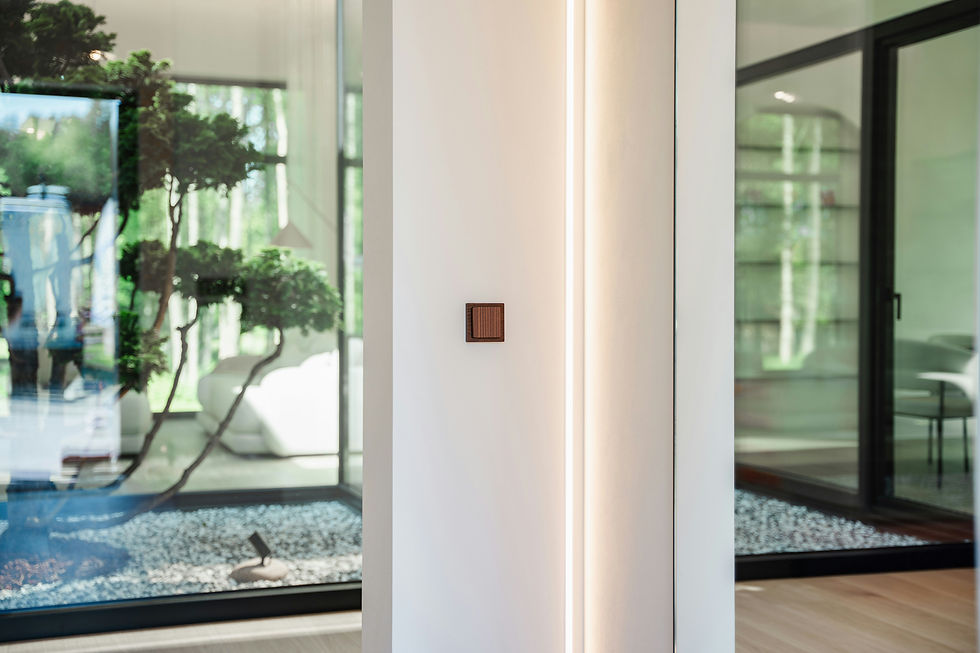
The most attractive wall lighting often comes from light you do not see directly. Indirect lighting hides the source and lets the glow do the work. The result feels softer, more layered, and easier on the eyes.
For a living room, LED strips can sit inside a recessed wall groove, behind a vertical panel, or along the edge of a floating shelf. The wall catches the light and spreads it gently into the room.
In a bedroom, a warm LED line behind a headboard can replace a bright overhead fixture at night. It makes the room feel calm without making it dark.
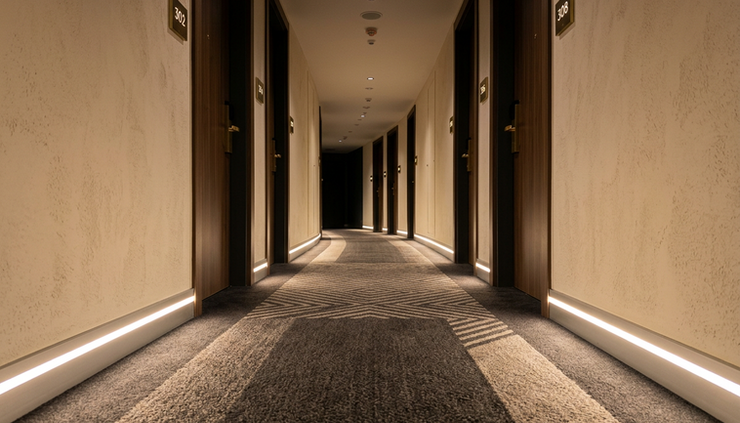
In a hallway, a low horizontal strip can guide movement while adding a hotel-like feel. This is especially useful in long, narrow spaces that often feel plain.
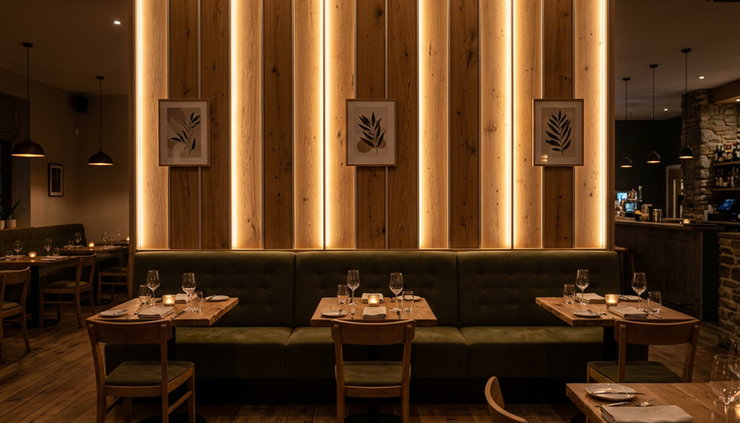
For commercial spaces, the effect can shape how people feel as soon as they walk in. A restaurant can use warm side lighting to make tables feel more intimate. A boutique can add vertical light lines to draw attention to displays. A hotel lobby can use wall washes to add height and elegance.
Where wall lighting works best
LED strip and aluminum profile lighting can fit many spaces, but placement makes the biggest difference. The goal is not to cover every wall with light. The best designs choose a few strong lines and let them define the room.
Good locations include:
Behind headboards or bed frames
Around TV feature walls
Along floating shelves
Inside vertical wall grooves
Under wall-mounted cabinets
Around mirrors
At the base of hallway walls
Behind decorative panels
Along bar fronts or restaurant booth backs
Each location creates a different mood. Vertical lines add height. Horizontal lines make a room feel wider. Backlighting gives objects a floating effect. Cove-style wall lighting creates a calm background glow.
For residential spaces, restraint usually works best. One lit feature wall can make a stronger impression than several competing light lines.
For shops, hotels, and restaurants, lighting can guide attention. A softly lit wall behind a reception counter, product display, or dining banquette can make that area feel more important without using bright spotlights.
Choosing the right color and brightness
The color of the light has a major effect on the mood. Warm white is often the best choice for comfort. It works well in bedrooms, living rooms, lounges, restaurants, and hotel rooms because it feels relaxed and inviting.
Neutral white can suit kitchens, retail displays, bathrooms, and modern interiors where a cleaner look is preferred. Very cool white can feel sharp, so it should be used carefully, especially in spaces meant for comfort.
Brightness matters too. Wall lighting should usually support the room, not overpower it. A dimmable setup gives more control. Bright enough for a shop display may feel too intense in a bedroom at night. A restaurant may want stronger light before opening, then a softer glow during service.
The best LED wall lighting feels natural. It improves the room before anyone notices the fixture.
For a more flexible setup, dimmers and smart controls can help adjust the mood throughout the day. A hotel room, for example, can feel fresh during check-in and calm at night with the same lighting system.
Design details that make the difference
Small decisions can change the final result. Before installing LED strips, decide whether the light should be visible as a line or hidden as a glow. Both can look good, but they create different effects.
A visible diffused line feels modern and architectural. It works well in geometric wall designs, retail interiors, and contemporary homes.
A hidden line feels softer. It is often better for relaxing spaces where the glow matters more than the fixture.
Also think about the wall surface. Smooth painted walls reflect light evenly. Textured plaster, stone, brick, or wood can create richer shadows. This can make the wall feel more dimensional, especially when the light grazes across it from the side.
Spacing is another key detail. If the LED strip sits too close to the wall, the light may create a hard line. If it sits farther away or behind a panel, the glow spreads more softly. Aluminum profiles come in surface-mounted, recessed, corner, and suspended styles, so the profile should match the effect you want.
A clean installation also needs proper power planning. Strips should receive consistent power across the full length, and drivers should be placed where they can be accessed later. For built-in designs, planning before finishing the wall prevents messy repairs.
A simple upgrade with a strong visual payoff
Wall lighting is one of the most effective ways to change how a room feels without filling it with more objects. LED strips bring flexibility, while aluminum profiles bring polish. Together, they can create a soft glow, highlight texture, guide movement, and make a space feel layered.
The best results start with a clear purpose. Use lighting to frame a feature wall, soften a seating area, brighten a display, or add comfort to a room after dark. Keep the lines clean, choose the right color temperature, and use profiles that make the installation look finished.
A simple strip of light, placed well, can make a wall feel deeper, warmer, and more complete.


Comments